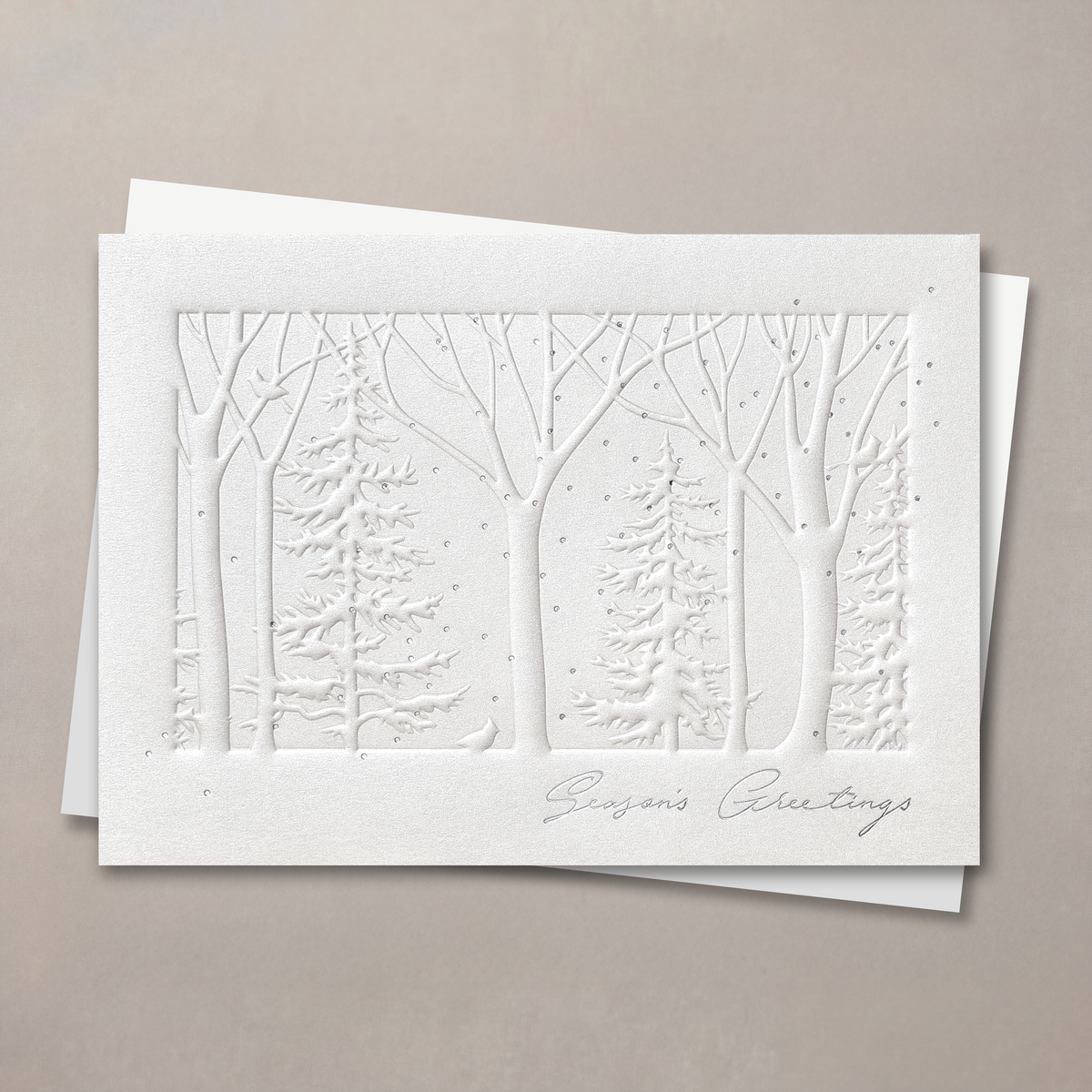
Sending Christmas cards is a timeless tradition that helps you stay connected, spread cheer, and show appreciation during the holiday season. But before those cards reach the mailbox, there’s one small detail that makes a big difference - how you address them.
Getting names, titles, and details right adds a personal touch and shows care for the people you’re writing to. Here’s a simple guide to addressing Christmas cards correctly for family, friends, and professional contacts.
1. Start With the Recipient’s Preferred Name
Always use the name your recipient actually goes by. For close friends or family, first names are perfectly fine. For business contacts, clients, or acquaintances, err on the side of formality - use titles and last names unless you’re on a first-name basis.
- Formal: Mr. and Mrs. James Parker
- Casual: James and Lily
- Professional: Dr. Rebecca Nguyen or Professor Alan Torres
2. Include the Whole Family
If you’re sending a card to a household, you can address it to everyone in one line or focus on the adults in the family. Both approaches are acceptable - choose the one that feels most natural for your relationship.
- Formal: The Anderson Family
- Casual: Mike, Sarah, and Emma
- Blended or Nontraditional Families: Use each person’s name for clarity and inclusivity - for example, “Amanda Lewis and Tom Reed.”
3. Respect Titles and Professional Designations
When sending cards to couples who use different titles or last names, list the person with the professional title first. This applies to doctors, military ranks, professors, and other formal titles.
- Dr. Maria Lopez and Mr. Daniel Chen
- Captain Jordan Davis and Mrs. Jordan Davis
- Ms. Taylor Brooks and Mr. Cameron Brooks
4. For Businesses and Organizations
When addressing cards to companies, use the organization’s name or the department you work with most directly. For individuals within a business, address them as you would in professional correspondence.
- ABC Accounting Services
- Human Resources Department, Brightway Logistics
- Ms. Danielle Foster, Director of Marketing
5. Add Return and Mailing Addresses Properly
Write your return address in the upper left corner of the envelope or print it on the back flap for a cleaner look.
The recipient’s address should be centered on the front of the envelope, with the name on the first line, street address on the second, and city, state, and ZIP code on the third. If mailing internationally, include the country name in all capital letters on the last line.
6. Handwritten vs. Printed Envelopes
Handwriting the addresses adds a warm, personal touch - especially for family and friends. For bulk or business mailings, printed envelopes are perfectly acceptable and often more efficient. Just be sure the design and font are easy to read and match the tone of your cards.
7. Double-Check Spelling and Details
Names are personal - and small errors can stand out. Take a moment to double-check spelling, titles, and addresses before sending. If you’re unsure about someone’s preferred name or pronouns, it’s always okay to ask discreetly or look at how they sign emails or letters.
8. Optional Personalization
Including a handwritten note inside or signing your family’s names adds an extra layer of warmth. Even just writing “Wishing you joy this season” or “From our family to yours” makes your card feel more intentional and genuine.
Making It Personal
Addressing your Christmas cards thoughtfully takes just a few extra moments, but it’s those details that make your cards feel special. Whether you’re writing to friends across town or clients across the country, care and attention show through - and that’s what makes the gesture meaningful.