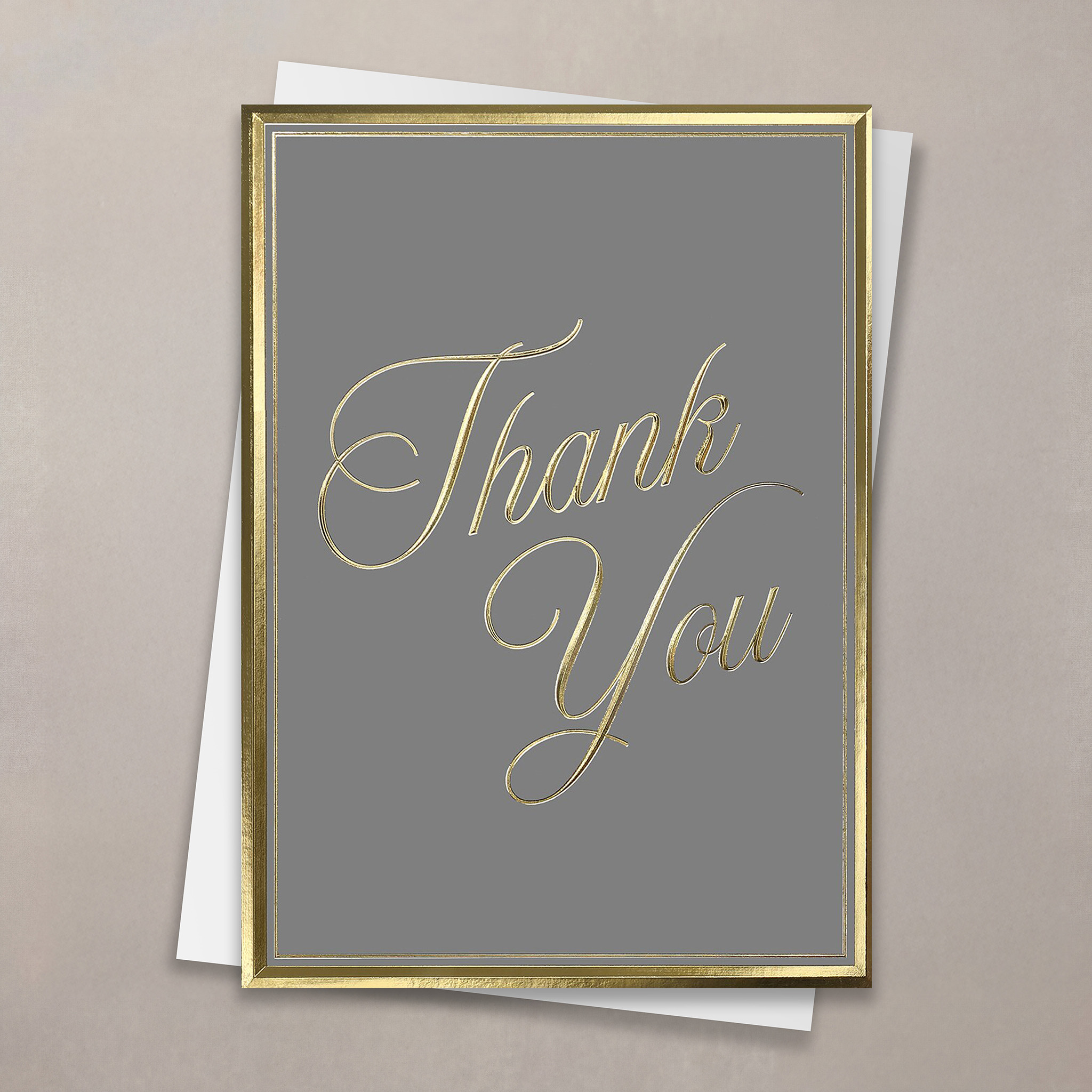
Guide to Standard Greeting Card Sizes
Not all greeting cards are the same size—and that’s a good thing. Choosing the right dimensions helps your design look polished, your message fit comfortably, and your envelopes seal neatly. Use this quick guide to understand the most common card sizes and when each one shines.
Standard Greeting Card Sizes
The sizes below are widely used across the industry. Exact measurements can vary slightly by printer, but these are typical finished (folded) dimensions and their matching envelope sizes.
| Card Size | Dimensions (W × H) | Common Use | Matching Envelope | Notes |
|---|---|---|---|---|
| A7 | 5" × 7" | All-purpose greeting cards, photo cards | A7 | Classic “framed photo” proportions; easy to display. |
| A6 | Approx. 4.5" × 6.25" | Invites, casual greetings, postcards (flat) | A6 | Comfortable for shorter messages; efficient postage. |
| A9 | 5.5" × 8.5" | Program covers, half-fold letters, statement pieces | A9 | More real estate for photos or longer notes. |
| A1 | 3.5" × 5" | Thank-you notes, RSVP cards | A1 | Small and elegant; perfect for short, handwritten notes. |
Folded vs. Flat Cards
- Folded cards feel traditional and give you four panels to work with (front, inside left, inside right, back). Great for longer messages or adding signatures.
- Flat cards are modern and efficient—ideal for photo-forward designs or brief greetings. You can print on both sides for extra room.
How to Choose the Right Size
- For a classic look: A7 (5" × 7") is the go-to and frames most photos beautifully.
- For quick notes: A1 is perfect for concise, thoughtful messages.
- For invitations or compact photo cards: A6 balances presence and postage efficiency.
- For maximum impact: A9 offers a larger canvas for photography or detailed designs.
Design & Production Tips
- Bleed & safe area: Extend background colors/images past the trim line (bleed), and keep text inside a safe margin to avoid trimming issues.
- Orientation: Decide early (portrait vs. landscape) to guide photo cropping and typography.
- Paper & finish: Heavier stocks and premium finishes (matte, satin, or gloss) elevate even simple designs.
- Envelopes: Match A-sizes (A7 card → A7 envelope) for a clean, professional fit.
- Postage: Most A-size cards mail at standard letter rates; unusually square or oversized formats may require additional postage.
FAQ
Do these sizes vary by printer?
Slightly. Expect minor differences (fractions of an inch). Always check the printer’s template before finalizing your design.
Will a heavier card stock affect postage?
It can. Weight and thickness impact mailing costs. If you’re using extra-heavy paper or multiple inserts, weigh a finished sample to confirm postage.
What size works best for photo cards?
A7 is the most popular for photo-forward designs, but A6 also works well if you prefer a smaller footprint.
Choose the size that supports your message, your imagery, and the experience you want recipients to have when they open the envelope.